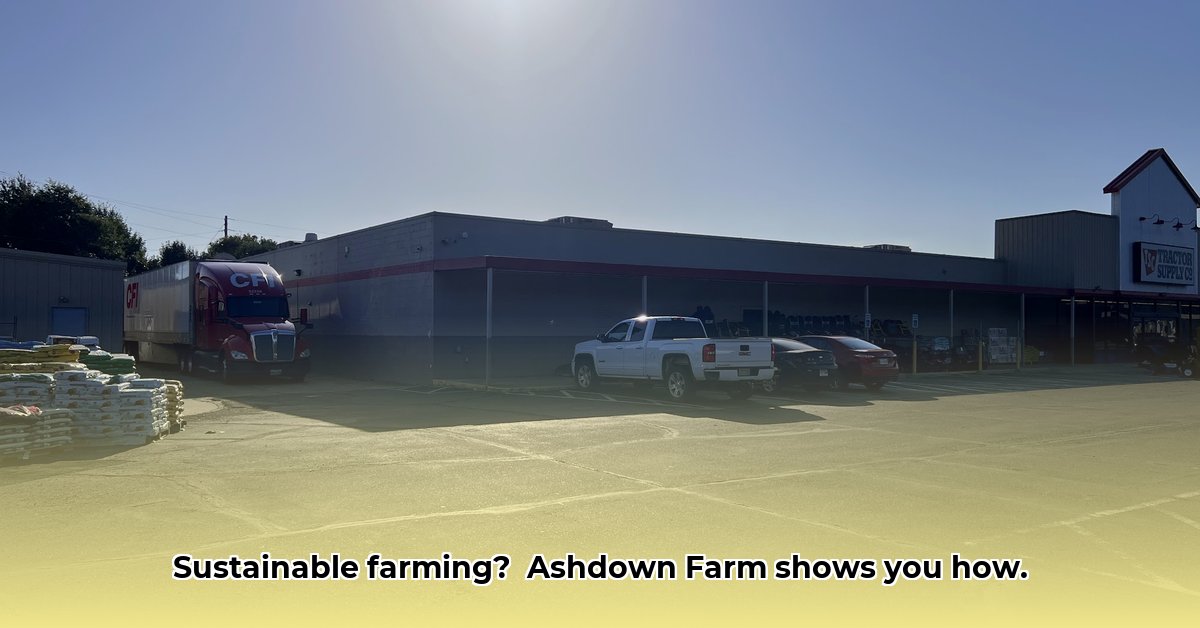
Growing a thriving farm or garden in Ashdown, Arkansas, requires careful planning and access to quality resources. Tractor Supply (TSC) serves as a convenient local source for many agricultural necessities, but navigating sustainable choices within its offerings can be complex. This guide provides actionable intelligence to help you, Tractor Supply, and other consumers make more environmentally conscious decisions. For more information on sustainable practices in Ashdown, check out this helpful resource: Pine Straw Guide.
Tractor Supply Ashdown AR: A Sustainable Farming Resource?
Tractor Supply in Ashdown offers a broad range of products vital for both large-scale farming and home gardening. From livestock feed and fencing to seeds and tools, the store caters to diverse needs. However, the challenge lies in identifying truly sustainable options within this extensive inventory. While many products can contribute to eco-friendly practices, readily available information about the full supply chain sustainability is limited. This guide aims to bridge that gap.
What Tractor Supply Ashdown AR Offers: Products and Potential
TSC's Ashdown location provides a diverse selection of goods relevant to sustainable agriculture. Livestock feed, essential for responsible animal husbandry, is a key offering. Seeds and plants, though the availability of certified organic options may vary, play a crucial role in supporting biodiversity and reducing reliance on harmful pesticides. Tools for land maintenance, fencing materials, and chicken coops all contribute to small-scale farming operations. However, the crucial question remains: how "sustainable" are these products across their entire life cycle? This lack of readily accessible data presents a challenge. Do you know the environmental impact of the feed you're buying?
Assessing Sustainability: Transparency and Challenges
A significant obstacle to fully assessing TSC's sustainability is the lack of readily available and detailed information about their supply chain. This lack of transparency hinders a complete evaluation of their environmental impact. To illustrate this challenge, consider the following risk assessment:
| Risk Factor | Probability | Impact | Mitigation Strategy |
|---|---|---|---|
| Unclear product sourcing | Medium | Medium | TSC should publicly disclose the origins of its products. |
| Limited certified sustainable products | High | Medium | TSC should expand its offerings of certified organic and eco-friendly products. |
| Consumer unawareness of sustainable choices | High | Low | Clearer in-store labeling and educational materials are needed. |
| Adapting to evolving consumer demands | Medium | High | TSC must actively monitor and respond to growing consumer demand for sustainable options. |
This matrix highlights critical areas where TSC could improve its overall sustainability profile. The lack of readily available information is a significant hurdle.
Actionable Steps for Sustainable Farming Practices
This section offers practical steps for farmers, gardeners, TSC itself, and consumers to enhance their sustainability efforts when interacting with TSC.
For Farmers and Gardeners:
- Prioritize Organic and Local: Opt for organic seeds and locally sourced feed whenever possible to reduce your carbon footprint and support local communities.
- Ask Informed Questions: Engage with TSC staff, inquiring about product sourcing, packaging, and transportation methods to make more informed purchasing decisions.
- Support Sustainable Initiatives: Actively choose and support any TSC initiatives or products promoting sustainable agricultural practices.
For Tractor Supply:
- Enhance Transparency: Publicly release data on your supply chain’s environmental footprint, including sourcing, manufacturing, and transportation details. This builds trust and accountability.
- Expand Sustainable Offerings: Increase the range of certified organic and sustainably produced products to meet the growing consumer demand.
- Engage with Local Communities: Collaborate with local farming organizations and environmental groups to promote best practices and increase awareness within the community.
For Consumers:
- Make Conscious Choices: Choose products with clear sustainability certifications, opting for minimal packaging wherever possible.
- Demand Transparency: Encourage TSC and other businesses to be transparent about their sustainability efforts by asking direct questions.
- Support Responsible Businesses: Support companies that prioritize environmental sustainability through their actions and demonstrable commitments.
The Bigger Picture: A Sustainable Future for Ashdown Agriculture
Sustainable agriculture is not merely a trend; it's a necessity for securing food security and protecting our environment. Businesses like TSC play a crucial role in this transition. By prioritizing transparency, expanding sustainable product offerings, and engaging actively with their communities, businesses empower consumers to make more sustainable choices. These local actions collectively contribute to a healthier planet. The path to sustainable agriculture in Ashdown requires collaborative effort from all stakeholders.